
Ultrasonic Sewing for Tencel-Linen Fabrics
Ultrasonic Sewing for Tencel-Linen Fabrics – Sewsonic
Tencel-linen—a blend of Tencel fibers and natural linen—is a premium, high-demand fabric for spring and summer, favored for “affordable luxury” workwear and “New Chinese-style” artistic apparel. This blend combines the best qualities of both materials, effectively overcoming the drawbacks of pure linen (which tends to be coarse and prone to wrinkling) and pure Tencel (which can lack structure and appear limp). Linen fibers provide a natural, three-dimensional texture and exceptional breathability, offering a matte, understated aesthetic with an effortless, sophisticated feel—ensuring comfort without overheating during the warmer months. Tencel fibers refine the tactile experience, softening the inherent rigidity of linen to create a smooth, supple, and fluid drape. Garments made from this blend feel lightweight and unrestrictive, making them gentle on the skin and suitable for a wide range of wearers. With its rich, unique texture—balancing the crisp structure of linen with the soft, fluid drape of Tencel—the fabric is wrinkle-resistant, durable, and retains its shape well. Its soft, versatile color palette makes it an ideal choice for spring and summer dresses, “New Chinese-style” tops, professional shirts, and premium casual womenswear. However, because Tencel-linen fibers are delicate, the linen component is somewhat brittle, and the surface texture is relatively loose, traditional needle-and-thread sewing often leads to issues such as thread pulling, frayed edges, visible needle holes, and deformation. This has long been a primary technical challenge in the mass production of high-end Tencel-linen apparel.
Traditional machine sewing often damages the texture of Tencel-linen fabrics, degrading their quality and frequently rendering the material unusable—failing to meet the rigorous production standards required for premium, “affordable luxury” garments. The high value of Tencel-linen apparel relies heavily on the presentation of its natural, three-dimensional linen texture and the soft, smooth quality of the Tencel. When traditional sewing needles pierce the fabric at high speeds, they leave behind dense, permanent needle holes. This disrupts the continuity of the linen weave, causing the texture to collapse and the surface to appear mottled, ultimately destroying the fabric’s signature matte, sophisticated aesthetic. Garments made from Tencel-linen blends typically feature light color palettes and minimalist, solid-surface designs. Any needle-punched defects—such as visible pinholes—are impossible to conceal or repair; a single processing error necessitates discarding the entire piece, significantly driving up material waste costs for manufacturers working with these premium fabrics. Furthermore, the linen fibers on the fabric surface are brittle, while the Tencel fibers are fine, soft, and loosely structured. The repetitive pulling and friction from traditional stitching easily cause the fibers to snag, pill, or break away. This dulls the fabric’s natural luster and disrupts its weave, transforming what should be a refined, “affordable luxury” garment into something that appears coarse and cheap.
Traditional sewing techniques also present numerous challenges, including stretching, bunching, stiff seams, and edge fraying after laundering. Tencel-linen blends are highly sensitive to tension, possessing a complex combination of elasticity and brittleness. Standard sewing equipment often struggles with inconsistent fabric-feed tension and imprecise presser-foot pressure, frequently leading to fabric misalignment, crooked stitching, or puckered seams—ultimately resulting in asymmetrical patterns and distorted garment silhouettes. Because “affordable luxury” apparel demands a perfectly smooth surface and uniform weave, the tendency of Tencel-linen to “set” into creases—which cannot be corrected by ironing—leads to persistently high defect rates in mass production. Moreover, traditional stitched seams are often thick and rigid; they compress the surrounding natural texture, creating stiff ridges and discontinuities in elasticity. This compromises the fabric’s inherent breathability and relaxed drape, while also causing discomfort when the garment is worn against the skin. Finally, because the fibers at the cut edges are fragile and prone to breaking, traditional overlocking often lacks sufficient durability. After laundering, these edges are susceptible to unraveling, curling, or seam failure. Manual trimming—an attempt to fix these issues—often causes further damage to the delicate fabric, leading to an increased burden of post-sale repairs and returns. To address the challenges inherent in sewing Tencel-linen blends, SEWSONIC has developed a specialized ultrasonic sewing process tailored for these fabrics. Moving beyond traditional sewing methods, this technology utilizes high-frequency ultrasonic molecular fusion to achieve precise, seamless, and stitch-free joining—eliminating the need for needles, threads, or adhesives. Through high-frequency vibration, the fibers at the seam are instantly thermally fused and solidified, creating an integrated bond using the fabric’s own blended fibers. This approach fundamentally prevents common defects such as light-leaking needle holes, collapsed fabric texture, fiber fraying or pilling, and seam unraveling during washing. It preserves the core qualities of Tencel-linen—its distinctive three-dimensional linen texture, soft luster, breathability, and elegant drape.
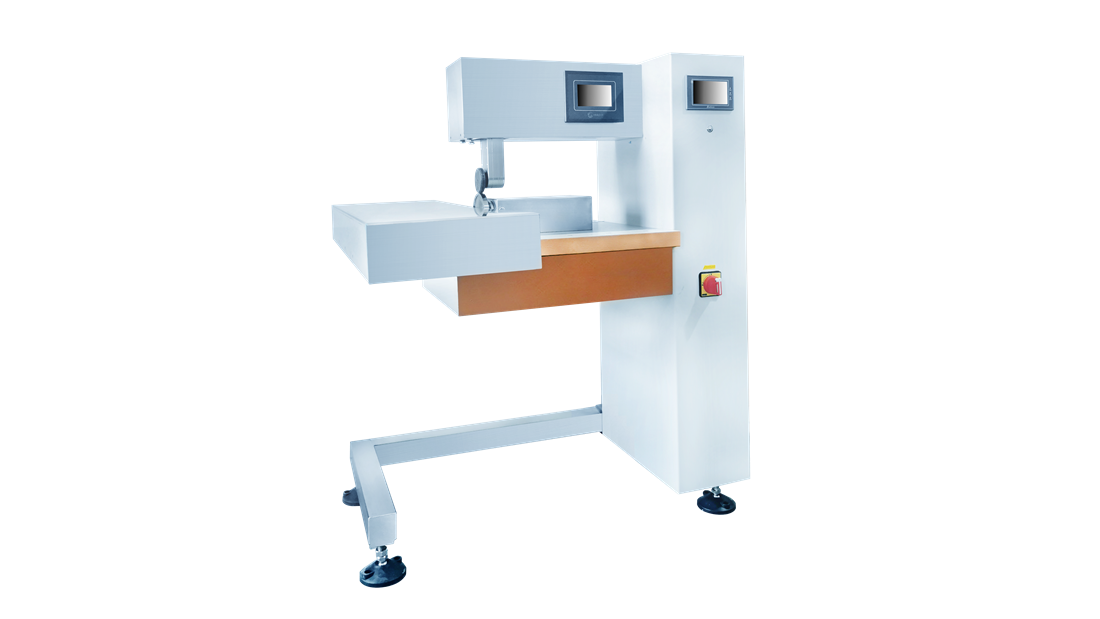
Equipped with an intelligent, low-temperature, constant-control system, the equipment is perfectly suited for the heat-sensitive, delicate nature of Tencel-linen fibers. The low-temperature fusion process ensures the fabric does not scorch, yellow, singe, or lose its vibrancy. It protects the natural texture and gentle sheen of the material, preventing issues like localized shiny spots, color dulling, or flattened patterns, thereby maintaining the fabric’s original, understated luxury. A specialized flexible, adaptive compression mechanism applies gentle, uniform pressure, accommodating the loose weave and uneven tension of the fabric. This ensures smooth fabric feeding without stretching, indenting, or wrinkling. The resulting seams are flat, seamless, and supple, preserving the integrity of the natural linen weave while ensuring the finished garment maintains a crisp, elegant drape and a consistent, natural texture—perfect for the relaxed, sophisticated aesthetic of spring and summer fashion. The fused seams are refined and durable, effectively locking in loose edge fibers to prevent fraying or unraveling, ensuring the garment remains intact—without fraying, pulling, or loss of quality—even after repeated washing and wear.
In the mass production of Tencel-linen apparel, SEWSONIC ultrasonic sewing equipment empowers manufacturers to enhance quality, reduce costs, and boost overall operational efficiency. The equipment eliminates the need for frequent line changes or tension adjustments, fundamentally preventing issues such as skipped stitches, thread breakage, fabric stretching, texture damage, and garment shape distortion. By streamlining production processes and supporting automated, continuous manufacturing, it significantly boosts production efficiency. The process ensures a flawless finish—free from needle holes, loose threads, or texture degradation—resulting in garments with a distinct, three-dimensional linen-like texture, a pristine surface, and a relaxed, fluid drape. Perfectly aligned with the quality standards required for “New Chinese-style” and “light luxury” workwear, the system drastically reduces waste and rework costs associated with high-end fabrics. Compatible with Tencel-linen blends of varying weights, colors, and textures, the equipment handles tasks such as edge finishing, seaming, seamless bonding, and garment shaping. It comprehensively meets the requirements for the standardized, high-volume production of premium Tencel-linen apparel, empowering factories to secure a greater number of high-end, high-quality orders.
If interested, please contact us directly via email at market2@cheersonic.com