
Ultrasonic Sewing for Spring/Summer Silk Fabrics
Ultrasonic Sewing for Spring/Summer Silk Fabrics – Sewsonic
Spring/summer silk fabrics are an essential, high-demand material for premium seasonal apparel. Woven from natural mulberry silk, they offer a lightweight, sheer, cool, and skin-friendly experience with a sophisticated, soft luster—making them the premier choice for luxury spring/summer womenswear, professional attire, and formal evening wear. Compared to the heavier silk fabrics used in autumn and winter, these spring/summer varieties are lighter in weight, feature a finer texture, and offer superior breathability. They possess a natural, pearlescent sheen—gentle and understated—with a smooth, clean surface and an excellent drape. When worn, they feel effortless and fluid, free from any sense of heavy, restrictive bulk. Natural silk fibers excel in moisture absorption, breathability, and heat dissipation, efficiently wicking away body heat and perspiration to eliminate the discomfort of feeling hot or sticky during the warmer months. Soft against the skin, hypoallergenic, and non-irritating, they are perfectly suited for long-term wear in high-temperature spring and summer weather. Thanks to their lightweight, breathable, silky-smooth, and elegant qualities, these fabrics are widely used for items such as short-sleeved silk blouses, loose-fitting dresses, camisoles, traditional-style silk garments, and luxury professional or formal wear—serving as a key material for enhancing the value of high-end womenswear. However, because these fabrics are exceptionally thin, delicate, and sensitive to tension, they are highly prone to snagging, tearing, wrinkling, and losing their shape. Traditional needle-and-thread sewing often leads to extensive defects, rendering garments unusable—a major challenge for the mass production of high-end spring/summer apparel.
Traditional sewing methods are ill-suited for spring/summer silk fabrics; they frequently result in a loss of quality, physical damage to the material, and high rates of batch spoilage, failing to meet the rigorous production standards required for premium, luxury spring/summer fashion. The core value of silk fabrics for the spring and summer seasons lies in their delicate, translucent texture, silky-smooth luster, and fluid, graceful drape; the premium quality of the finished garment depends entirely on the inherent, nuanced details of the fabric itself. When traditional sewing needles penetrate these fine, delicate silk surfaces at high speeds, they leave behind dense, permanent perforations—visible pinholes that disrupt the fabric’s uniform, translucent texture and render what should be a sophisticated, lustrous material looking mottled and cheap. Since spring/summer silk garments often feature light, solid-colored, and unpatterned surfaces, these needle-hole defects are impossible to conceal or repair; once they occur, the entire piece of fabric must be discarded, significantly driving up production costs and waste rates for high-end silk apparel. Furthermore, natural silk fibers are inherently fragile; the repeated pulling, friction, and compression from traditional sewing stitches can easily cause the fabric to snag, fray, or tear. This wear damages the natural, soft sheen of the silk’s surface, leaving it looking dull and lackluster—effectively destroying the light, elegant, and premium aesthetic essential to spring and summer silk fashion.
Processing silk fabrics with traditional sewing techniques also presents numerous production challenges, including stretching, deformation, unwanted pleating, stiff seams, and fraying or “exploding” edges after washing. Because spring/summer silk is exceptionally thin, soft, and highly sensitive to tension, it is notoriously difficult to shape. Traditional sewing equipment often struggles with inconsistent fabric-feed tension and imprecise pressure from the presser foot, frequently leading to fabric stretching, misalignment, puckered seams, and unsightly folds. Since the appeal of silk garments for the warmer seasons relies on a smooth, fluid silhouette and clean, sharp lines, any stretching, deformation, or misaligned pleats cannot be perfectly corrected through ironing—resulting in consistently high defect rates in mass production. Traditional dense-stitch seams are often thick and rigid, creating unsightly, stiff ridges on lightweight silk fabrics. This ruins the fabric’s natural, fluid drape and causes significant discomfort when worn against the skin. Furthermore, these rigid seams pull on the surrounding material, leading to distorted grain lines and a collapsed silhouette. Additionally, the delicate, fine fibers at the raw edges of spring/summer silk fabrics are prone to fraying; traditional overlocking methods often fail to secure them, resulting in unraveling, curling, splitting, or seam failure after washing, handling, or regular wear. This leads to rough, unrefined edges, a loss of structural integrity, and high return rates. Repeated manual repairs can further damage the fragile fabric, severely compromising both the quality and production efficiency of high-end garments.
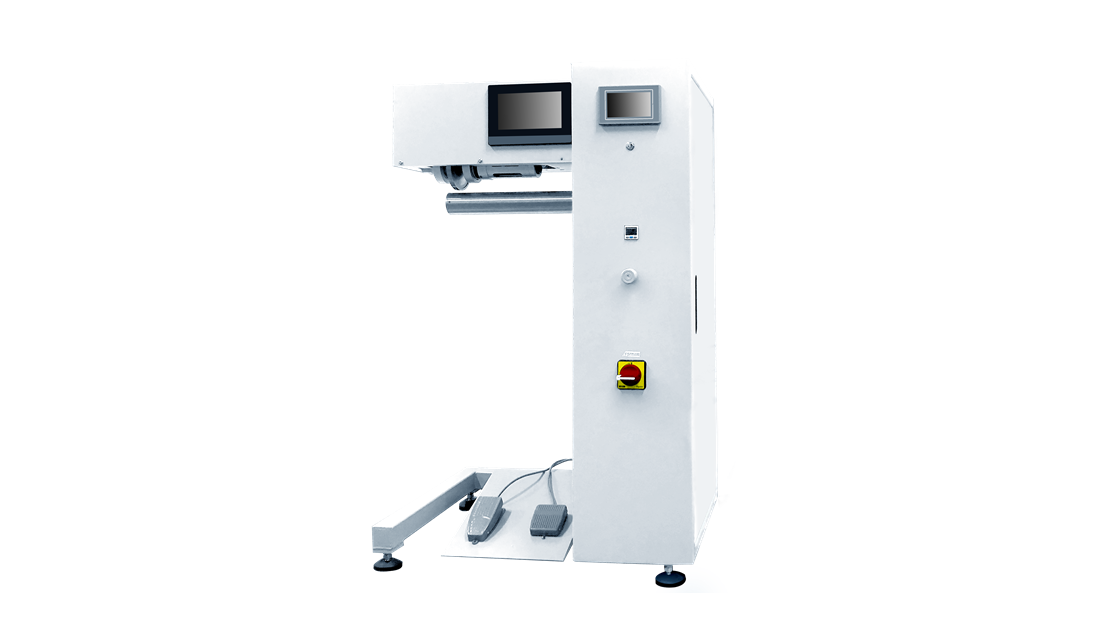
To address these challenges, SEWSONIC has developed a specialized, gentle-care ultrasonic sewing process tailored for lightweight spring/summer silk. Moving beyond traditional needle-and-thread methods, this technology utilizes high-frequency ultrasonic molecular fusion to achieve precise, seamless, and stitch-free joining. Through high-frequency vibration, the silk fibers at the seams are instantly fused together—relying on the fabric’s own natural protein structure—without the need for needles, thread, or adhesives. This eliminates common industry issues such as visible needle holes, snagging, tearing, wrinkling, and seam unraveling after washing, while fully preserving the core qualities of the silk: its lightweight breathability, silky-smooth luster, and elegant, fluid drape.
Equipped with an intelligent, low-temperature constant-control system, the equipment employs ultra-low-temperature fusion parameters specifically designed for delicate, heat-sensitive silk fibers. The entire process is conducted at low temperatures to protect the silk—ensuring no scorching, yellowing, burning, or embrittlement. This preserves the fabric’s natural, soft luster and prevents defects such as dullness, localized color variation, fiber damage, or stiffening, ultimately maintaining the original, airy, and luxurious quality of the silk. Featuring a specialized, flexible, and adaptive bonding structure designed for lightweight, delicate silk, this technology applies gentle, controlled, and uniform pressure. It intelligently adjusts to the airy, loose, and fine texture of spring/summer silk fabrics, ensuring smooth fabric feeding without stretching, indenting, or wrinkling. The resulting seams are flat, seamless, soft, and supple—free from any rigid ridges or protrusions—thereby preserving the fabric’s inherent, fluid, and relaxed silhouette. The finished garments boast elegant, flowing lines and a consistent, delicate appearance, entirely devoid of any stiffness or awkwardness. The fusion-welded seams are precise and robust, firmly securing the fine silk fibers at the edges to completely prevent fraying, unraveling, or curling. Even after repeated washing and handling, the seams remain intact, resistant to snagging, and retain their original shape—offering a level of refinement and durability that far surpasses traditional needle-and-thread sewing.
In the mass production of high-end spring/summer silk apparel, SEWSONIC ultrasonic sewing equipment empowers garment manufacturers to enhance quality, reduce costs, and boost efficiency. By eliminating the need for frequent needle threading, bobbin changes, or tension and stitch-length adjustments, the equipment fundamentally prevents common issues such as skipped stitches, thread breakage, fabric distortion, snagging, tearing, and loss of shape. It streamlines production workflows and supports automated, continuous operation, leading to a significant increase in output. The process ensures a flawless finish—free from needle holes, loose threads, or damage to the silk fibers—resulting in garments with a soft, luminous sheen, a fluid, graceful drape, and a silky-smooth, supple hand-feel. This perfectly aligns with the quality standards required for premium spring/summer silk womenswear, professional attire, and traditional-style formal wear, while drastically reducing waste and loss of expensive silk fabrics. The equipment is compatible with a wide range of spring/summer silk fabrics—varying in weight, color, and texture—and supports a comprehensive suite of processes, including edge finishing, joining, seamless bonding, and garment shaping, making it ideal for the standardized mass production of high-end silk apparel.
The key to the precision finishing of spring/summer silk fabrics lies in preserving their airy translucency and soft luster, while preventing fiber snagging and edge fraying. SEWSONIC ultrasonic sewing equipment specializes in addressing the challenges of sewing delicate spring/summer silk fabrics. It ensures a seamless finish that protects the silk fibers, maintains a lightweight structure without distortion, offers excellent wash durability, and enables high-efficiency mass production. By helping garment manufacturers overcome the processing bottlenecks associated with thin, fragile silk, it resolves common production pain points—such as high defect rates, significant material waste, and frequent rework. This technology elevates the “affordable luxury” quality of spring/summer silk garments and enhances their market competitiveness, allowing manufacturers to confidently take on high-quality orders for mid-to-high-end silk apparel.
If interested, please contact us directly via email at market2@cheersonic.com.