
Ultrasonically Stitched Polyester-Elastane Tie-Dye Jersey
Ultrasonically Stitched Polyester-Elastane Tie-Dye Jersey
Polyester-elastane tie-dye jersey is a highly sought-after fabric for contemporary streetwear, niche fashion labels, and casual apparel. Crafted from a blend of polyester and elastic fibers, and finished with traditional hand-tie-dye techniques, it offers a perfect balance of comfortable stretch, breathability, and a unique, artistic aesthetic. The polyester-elastane knit structure ensures a lightweight, soft, and smooth hand-feel, while the open-knit texture provides excellent breathability—keeping the wearer dry and comfortable year-round. The inclusion of elastic fibers grants the fabric superior stretch and recovery; it moves with the body and maintains its shape over time, overcoming the common drawbacks of traditional tie-dye fabrics, which are often stiff, inelastic, and rigid in their drape. The tie-dye process creates a one-of-a-kind gradient pattern on every piece, characterized by soft, natural color transitions and sophisticated, spontaneous textures. With no two patterns alike, it exudes an exclusive, trend-forward vibe that stands in stark contrast to the mass-produced, uniform look of standard printed fabrics. Furthermore, the fabric is durable, colorfast, and resistant to significant fading during washing—combining aesthetic appeal, comfort, and practicality. It is widely used for tie-dye T-shirts, casual sweatshirts, trendy base layers, loose-fitting dresses, and streetwear, making it a highly popular choice in today’s fashion market. However, due to the delicate nature of the tie-dye patterns, the open-knit structure, and the fine elastic fibers, traditional needle-and-thread sewing can easily damage the tie-dye texture or mar the patterns—a major challenge in the finishing and garment construction of such trendy fabrics.
Processing polyester-elastane tie-dyed jersey fabric using traditional sewing methods frequently leads to issues such as pattern damage, surface defects, and the downgrading or total rejection of finished garments—failing to meet the high-precision standards required for trendy apparel. The core value of this fabric lies in its spontaneous, blended tie-dye patterns, soft and highly elastic texture, and unique, fashionable aesthetic. Traditional high-speed machine needles leave dense, permanent puncture marks on the delicate surface, disrupting the fluid tie-dye gradients, causing pattern fragmentation, and ruining the fabric’s overall artistic atmosphere and premium quality. This is especially problematic for light-colored or gradient-style tie-dyed fabrics, where light shining through the needle holes makes the damage impossible to repair, necessitating the disposal of the material and significantly driving up production costs for high-end fashion textiles. Furthermore, because the fine, soft polyester-elastane fibers are fragile, the repeated pulling, friction, and compression from traditional sewing stitches often cause pilling, snagging, or yarn displacement. This results in worn, dull-looking tie-dye patterns, transforming an exquisite, trendy fabric into something that appears coarse and cheap, thereby severely diminishing the value-add of the finished garment.
Traditional sewing techniques also present numerous production challenges when applied to polyester-elastane tie-dyed jersey, including stretching, deformation, stiff seams, and unraveling. Given the fabric’s loose-knit structure and high elasticity, it is difficult to precisely control fabric tension during traditional sewing. Uneven pressure from the presser foot can easily cause the fabric to stretch or shift, leading to crooked stitching, puckered seams, and unsightly folds. This results in asymmetrical tie-dye patterns and distorted garment silhouettes, completely undermining the intended aesthetic. Moreover, the dense, traditional stitching creates thick, rigid seams that stand out as awkward, stiff ridges against the otherwise soft, fluid fabric. This not only compromises the material’s inherent softness and drape but also severs the elastic fibers, creating a loss of elasticity at the seams—resulting in a tight, restrictive fit and poor overall comfort. Furthermore, the cut edges of polyester-elastane jersey tend to fray and shed fibers. With traditional sewing methods, these edges are highly susceptible to unraveling, fraying, curling, and seam failure after washing, daily wear, or repeated stretching—often causing the tie-dye patterns at the edges to wear off. This results in poor garment durability and high rates of post-sale returns and repairs. Traditional sewing processes are also cumbersome, requiring frequent machine adjustments, thread changes, and manual trimming of loose threads—all of which risk damaging the fabric surface or the tie-dye patterns. Such processes are inefficient, lead to high material waste, and are ill-suited for the precise, large-scale production requirements of tie-dyed polyester-elastane jersey.
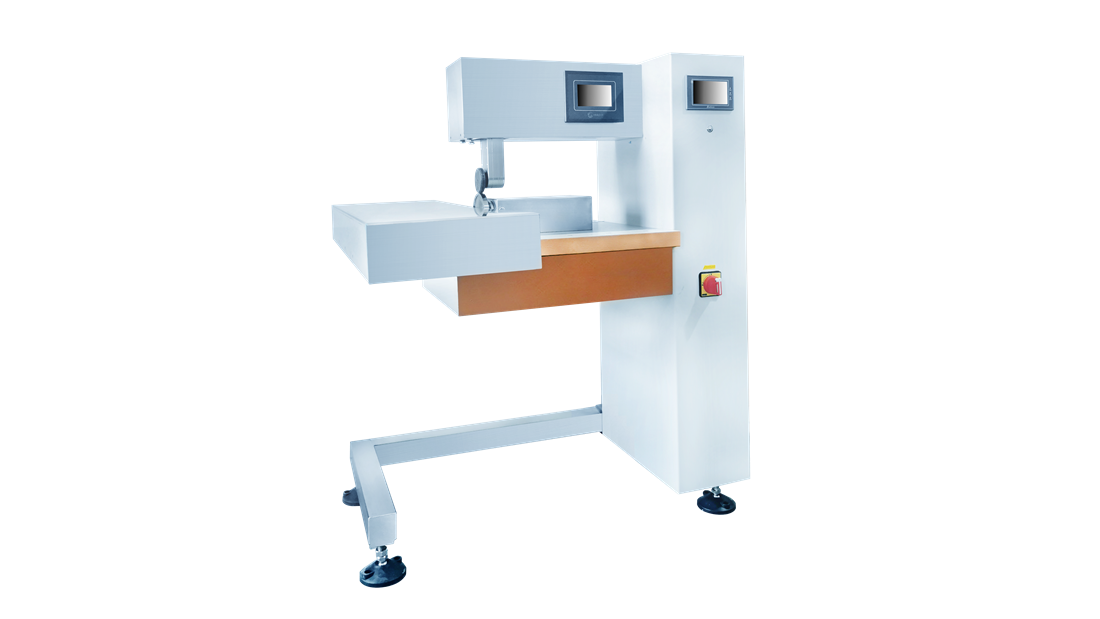
To address these challenges, SEWSONIC has developed a specialized ultrasonic sewing solution tailored for tie-dyed, elastic fabrics. Moving beyond conventional needle-and-thread processing, this system utilizes high-frequency ultrasonic molecular fusion technology to achieve precise, seamless, and stitch-free bonding. Through high-frequency vibration, the fibers at the seams are instantly fused together via frictional heat. This process relies on the fabric’s own fiber structure to create a bond—eliminating the need for needles, threads, or adhesives. It effectively prevents common industry issues such as needle holes, pattern damage, loss of elasticity, fabric snagging, and edge unraveling after washing, while fully preserving the natural, blended tie-dye patterns, soft hand-feel, and the high elasticity and breathability of the fabric.
Equipped with an intelligent, low-temperature, constant-heat control system, the equipment features customized, gentle fusion parameters specifically designed for heat-sensitive polyester-elastane fibers and tie-dyed patterns. The entire process operates at low, controlled temperatures, ensuring the fabric is not scorched, discolored, singed, or yellowed. This protects the integrity and fluidity of the tie-dye gradients, preventing issues like dulling, localized color shifts, pattern discontinuities, or heat-induced fabric damage. Ultimately, this technology ensures that the fabric retains its original, high-end aesthetic and rich color depth. Featuring a flexible, adaptive compression structure designed specifically for stretch jersey fabrics, this technology applies gentle, uniform pressure. It intelligently accommodates the loose, highly elastic nature of the fabric, ensuring smooth feeding without stretching, indenting, or distorting the material. Seams are rendered flat, seamless, soft, and flush against the fabric—free from any rigid ridges or protrusions. The resulting garment offers a consistent feel and uniform elasticity throughout, with no localized stiffness or restricted movement, perfectly preserving the relaxed, comfortable fit intended for the design. The fused seams are exceptionally robust, securely locking in loose edge fibers and completely eliminating the risk of fraying or unraveling. The seams remain intact, fray-free, and undistorted even after repeated washing, rubbing, or stretching—offering a level of stability that far surpasses traditional needle-and-thread sewing.
In the mass production of trendy apparel, SEWSONIC ultrasonic sewing equipment empowers garment manufacturers to enhance quality, reduce costs, and boost efficiency. By eliminating the need for needles, threads, and the constant recalibration of tension or stitch settings, the system fundamentally prevents common issues such as skipped stitches, thread breakage, fabric strain, pattern damage, and structural distortion. It significantly streamlines production workflows and supports automated, multi-machine operation by a single technician, leading to a substantial increase in output. The process ensures a finish entirely free of needle holes, loose threads, or damage to patterns. The final garments feature fluid, natural-looking tie-dye textures, rich color depth, a smooth, well-draped silhouette, and comfortable elasticity—meeting the rigorous quality standards of high-end fashion while drastically reducing waste and loss of expensive, stretch-polyester tie-dye fabrics. The equipment is compatible with a wide range of stretch-polyester tie-dye jersey fabrics—varying in pattern, weight, and color—and supports a comprehensive suite of processes, including edge finishing, panel joining, seamless bonding, and garment shaping. It is ideally suited for the standardized, large-scale production of trendy T-shirts, casual sweatshirts, and contemporary womenswear.
The key to finishing stretch-polyester tie-dye jersey lies in preserving the integrity of the patterns, maintaining softness, retaining elasticity, and preventing structural distortion. SEWSONIC ultrasonic sewing equipment specializes in addressing the unique challenges of stitching polyester-stretch tie-dye jersey fabrics. Our technology ensures seamless, damage-free processing that preserves vibrant colors without dulling the fabric, resulting in a soft, durable, and washable finish. Designed for high-efficiency mass production, SEWSONIC helps garment manufacturers overcome the processing bottlenecks associated with trendy tie-dye fabrics. By eliminating the high defect rates, material waste, and frequent rework typical of traditional manufacturing methods, our solutions enhance the premium quality and market competitiveness of finished garments—enabling manufacturers to easily secure and fulfill high-quality orders for mid-to-high-end tie-dye fashion apparel.
If interested, please contact us directly via email at market2@cheersonic.com.