
Ultrasonically Stitched Hexagonal Mesh Fabric
Ultrasonically Stitched Hexagonal Mesh Fabric – Sewsonic
Hexagonal mesh fabric is a highly versatile, functional textile. Produced via precision warp-knitting, it features a uniform, honeycomb-like hexagonal mesh structure. Renowned for its excellent breathability, lightweight durability, and structural stability, it is widely used in sportswear, yoga apparel, lingerie components, footwear and headwear, bag linings, home textiles, and outdoor protective gear. Compared to standard square or irregular mesh patterns, the hexagonal structure offers superior mechanical stability; it distributes stress evenly, resists deformation from stretching, and features consistent, orderly mesh openings that provide enhanced breathability and resilience. The fabric is lightweight, dry to the touch, sweat-wicking, stretch-resistant, and washable. It possesses a pleasing drape and structural dimension, making it ideal both as a primary material and for accents such as paneling, cut-outs, edge finishing, or decorative detailing. Whether for high-end breathable sportswear, intimate apparel, or ventilated linings for footwear, headwear, and bags, hexagonal mesh is an essential, industry-standard material. However, due to its open honeycomb structure and fine yarns, the edges are highly prone to fraying or unraveling. Traditional needle-and-thread sewing often damages the precise mesh texture, posing a common challenge in mass-production and finishing.
When processed using traditional sewing methods, hexagonal mesh fabric is highly susceptible to issues such as damaged mesh openings, frayed or unraveling edges, and structural distortion—all of which severely compromise the quality of the finished product. The core value of hexagonal mesh fabric lies in its uniform, honeycomb-like cell structure and stable, breathable design. During high-speed sewing, conventional needles can puncture the mesh, pulling and distorting the cells—or even causing them to break. This transforms a neat, airy surface into one that appears messy and damaged, completely compromising both the aesthetic appeal and the consistent breathability of the fabric. This is especially problematic for fine-mesh fabrics, where needle marks remain highly visible; once the mesh structure is pulled or twisted by the stitching, it cannot return to its original state. The resulting degradation in quality renders the finished product unsuitable for high-end market standards. Furthermore, because the warp and weft yarns in hexagonal mesh are fine and sparsely woven, the friction and tension from repeated stitching often lead to yarn breakage, frayed edges, and localized unraveling. Edges become loose and coarse after sewing—defects that cannot be fully corrected even with manual trimming—and are highly prone to further unraveling, seam failure, or extensive unravelling during washing and handling, leading to consistently high return and rework rates.
Additionally, the lightweight, loose, and structurally unstable nature of hexagonal mesh makes it highly susceptible to slippage and stretching during the traditional fabric-feeding process. This results in crooked stitching, misaligned seams, and the accumulation of folds or puckering, which ruins the smooth, tailored fit of a garment. Traditional stitched seams often feature dense, heavy, and rigid thread lines that “lock” the mesh structure in place, effectively blocking airflow and reducing elasticity at the seam. This creates a poor fit and a noticeable, uncomfortable sensation for the wearer, stripping the fabric of its primary advantages: lightness and breathability. Moreover, traditional sewing processes are cumbersome; frequent thread changes and stitch-length adjustments increase the risk of fabric damage. The process also leaves behind excessive loose threads that are difficult to remove, driving up labor costs and limiting production efficiency—making it impossible to meet the demands for high-volume, high-quality manufacturing of hexagonal mesh products. To address the unique sewing challenges associated with hexagonal mesh fabrics, SEWSONIC has developed a specialized ultrasonic processing solution. Moving beyond traditional needle-and-thread methods, this technology utilizes high-frequency ultrasonic molecular fusion to achieve precise, seamless, and stitch-free bonding. By employing high-frequency vibrations, the system generates localized frictional heat that melts and fuses the yarns at the seam, allowing the fibers to bond directly to one another. This eliminates the need for needles, threads, or adhesives, effectively resolving common industry issues such as mesh distortion, needle-hole damage, edge fraying, unraveling, and stiff, rigid seams. Crucially, it preserves the fabric’s core characteristics: its uniform honeycomb structure, high breathability, lightweight nature, and tensile strength.
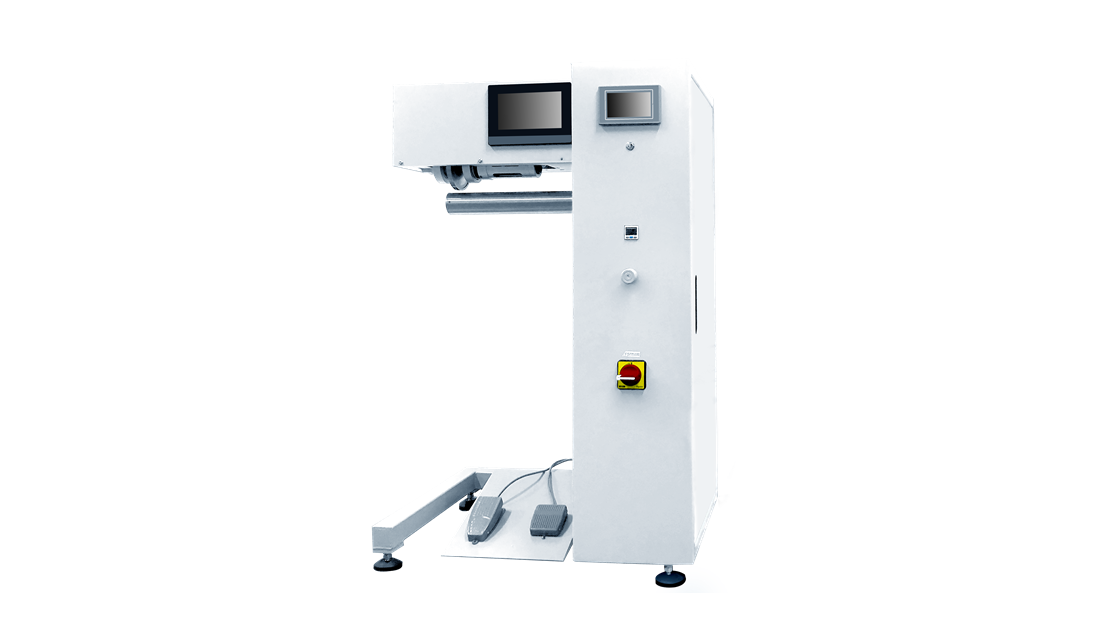
The equipment features an intelligent, high-precision constant-temperature control system tailored to the thermal sensitivity of the fine yarns used in mesh fabrics. Through a gentle, low-temperature fusion process, the system ensures that the yarns are not scorched, yellowed, charred, or embrittled. This maintains the integrity and uniformity of every hexagonal cell, preventing mesh collapse, localized deformation, or discoloration, and ensuring the final product retains the pristine, airy texture of the original fabric. A flexible, adaptive pressure mechanism—offering uniform and controllable force—is perfectly suited to the lightweight, open structure of mesh fabrics; it ensures smooth, stable material feeding without stretching, shifting, or crushing the mesh. The resulting seams are flat, seamless, and soft to the touch, with no rigid ridges or protrusions, ensuring that the mesh openings remain unobstructed and the fabric’s overall breathability and moisture-wicking properties are fully preserved. The fused edges are exceptionally secure, locking the yarns firmly in place to completely prevent fraying or unraveling. The bonds remain intact even after repeated washing or stretching, offering a level of durability that far exceeds traditional stitched seams.
In mass-production environments, SEWSONIC’s ultrasonic sewing equipment empowers manufacturers to enhance quality, reduce costs, and boost operational efficiency. This equipment eliminates the need for threading, frequent stitch-length adjustments, or pressure-foot calibration. It fundamentally prevents issues such as skipped stitches, thread breakage, mesh distortion, and fabric deformation. By significantly simplifying production processes and enabling one operator to manage multiple automated machines, it delivers a substantial boost to production capacity. The process ensures a flawless finish—free from needle holes, loose thread ends, or damage to the mesh structure—resulting in uniform, well-defined mesh patterns, smooth fabric surfaces, and preserved breathability. This drastically reduces waste and scrap rates for hexagonal mesh fabrics. Highly stable and versatile, the equipment accommodates a wide range of hexagonal mesh fabrics—varying in mesh size, thickness, and weight—and supports diverse applications, including edge sealing, joining, seamless bonding, and edge stabilization. It is perfectly suited for the standardized, high-volume production of sportswear, intimate apparel, footwear, headwear, home textile accessories, and outdoor gear.
High-quality finishing of hexagonal mesh fabrics hinges on preserving the mesh structure and breathability, preventing unraveling, and maintaining fabric shape. SEWSONIC ultrasonic sewing equipment is specifically engineered to address the challenges of processing mesh fabrics. It ensures seamless, protected mesh integrity, robust edge sealing, maintained breathability, wash-durability, and high-efficiency mass production. SEWSONIC empowers garment and textile accessory manufacturers to overcome processing bottlenecks, resolving the common pain points of traditional methods—such as high defect rates, frequent rework, and excessive material waste. By enhancing final product quality and market competitiveness, it enables manufacturers to confidently secure high-value orders for premium mesh-based products.
If interested, please contact us directly via email at market2@cheersonic.com.