
Ultrasonic Sewing of Knitted Polyester-Spandex Jacquard Fabric
Ultrasonic Sewing of Knitted Polyester-Spandex Jacquard Fabric
Knitted polyester-spandex jacquard fabric is a mainstream functional textile used in contemporary streetwear, high-end activewear, and accessible luxury womenswear. Crafted from a blend of polyester fibers and high-elasticity spandex using a knitted jacquard technique, it offers a perfect balance of structural integrity, durability, high elasticity, comfort, and a sophisticated, three-dimensional aesthetic. The polyester base provides exceptional wear resistance, tear strength, and shape retention, ensuring the fabric remains durable over time—resisting pilling, maintaining excellent color fastness, and proving resistant to fading during washing. The spandex fibers, evenly distributed throughout the weave, grant the fabric superior four-way stretch, allowing for unrestricted movement and a body-hugging fit; this effectively resolves the issues of stiffness, lack of elasticity, and restrictive tightness often found in conventional jacquard fabrics. The precision knitted jacquard process creates a three-dimensional, textured surface with clear, well-defined patterns and rich depth, moving beyond the monotony of plain, solid-colored fabrics to deliver a premium, fashionable look. Furthermore, the knitted structure is breathable, moisture-wicking, and quick-drying—preventing the fabric from becoming stuffy or clinging to the skin during physical activity. Combining aesthetic appeal, comfort, and practicality, this fabric is widely used in yoga wear, fitness sets, streetwear hoodies, casual knitwear, and accessible luxury womenswear, making it a popular choice for mid-to-high-end functional apparel. However, due to the fabric’s three-dimensional texture, sensitive elastic fibers, and relatively open knitted structure, traditional needle-and-thread sewing often damages the jacquard pattern and severs the elastic filaments—a major challenge in the finishing process.
Traditional sewing methods frequently cause damage to the jacquard texture, loss of elasticity, and an unacceptably high rate of defects in the finished garments, making it difficult to meet the production standards required for high-end functional apparel. The core value of knitted polyester-spandex jacquard fabric lies in its structured, three-dimensional jacquard patterns, consistent four-way stretch, and functional properties such as abrasion resistance and breathability. During traditional high-speed sewing, needles can pierce directly through the knitted jacquard structure, leaving behind dense, permanent pinholes. This disrupts the intricate, textured relief—causing the jacquard pattern to collapse, shift, or deform—and effectively destroys the fabric’s three-dimensional depth and aesthetic quality. This is particularly problematic for fabrics with fine, small-scale jacquard patterns or light, solid-colored designs, where such pinholes are highly visible and irreparable, rendering the material unusable and significantly driving up production costs. Furthermore, the delicate spandex elastomeric fibers within the fabric are highly susceptible to being severed by the pulling, friction, and compression of traditional sewing needles. This leads to a loss of elasticity at the seams, resulting in uneven tension—manifesting as localized tightness, sagging, or inconsistent stretch—which compromises the garment’s fit, restricts movement, and severely degrades the wearer’s experience.
Processing knitted polyester-spandex jacquard fabric using traditional sewing techniques also presents numerous production challenges, including deformation, wrinkling, edge fraying, seam unraveling, and stiff, rigid seams. Due to the fabric’s high extensibility and loose knitted structure, it is difficult to control fabric-feeding tension; uneven pressure from the presser foot often causes the fabric to stretch, shift, or skew, leading to misaligned stitching, puckering, and the accumulation of folds. This results in distorted garment silhouettes and asymmetrical patterns, leading to consistently high defect rates in mass production. Moreover, the dense, traditional stitching creates thick, rigid seams that form noticeable, stiff ridges on the textured jacquard surface. This not only ruins the garment’s fluid silhouette but also eliminates all elasticity at the seams, drastically reducing comfort. Additionally, because the fibers at the cut edges of polyester-spandex jacquard fabric are loose and fine, the material is prone to unraveling, fraying, curling, or losing threads—especially after laundering, physical activity, or repeated stretching—which leads to poor garment durability and high rates of post-sale returns or repair requests. Traditional sewing processes are cumbersome, often requiring frequent machine adjustments, thread changes, and manual trimming—steps that frequently cause secondary damage to jacquard textures, resulting in low production efficiency and high waste.
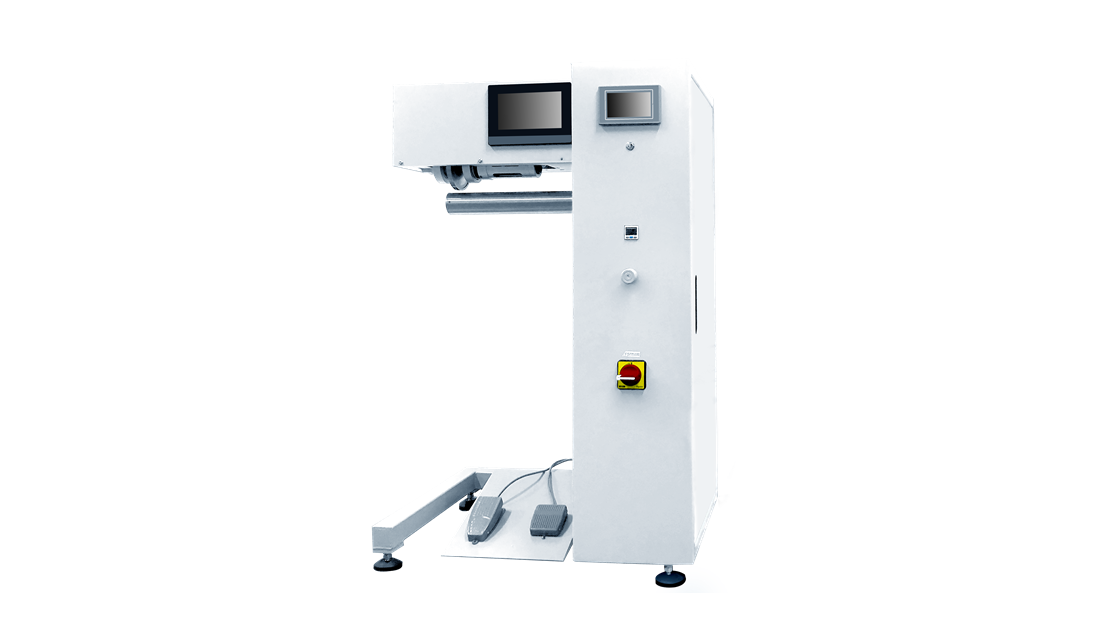
Such methods are ill-suited for the precise, high-volume manufacturing requirements of knitted polyester-spandex jacquard fabrics.To address the challenges of sewing knitted polyester-spandex jacquard fabrics, SEWSONIC has developed a specialized, gentle-care ultrasonic sewing process. Moving beyond conventional needle-and-thread methods, this technology utilizes high-frequency ultrasonic molecular fusion to achieve precise, seamless, and stitch-free bonding. By employing high-frequency vibrations, the fibers at the fabric seams are instantly fused together through frictional heat. This process relies on the fabric’s own fiber structure for bonding—eliminating the need for needles, threads, or adhesives—and effectively prevents common industry defects such as needle holes, jacquard distortion, loss of elasticity, snagging, and seam unraveling during washing. It ensures the preservation of the fabric’s core characteristics: its three-dimensional jacquard texture, four-way high elasticity, breathability, and durability.
The equipment features an intelligent, low-temperature, constant-control system with fusion parameters specifically calibrated for heat-sensitive polyester-spandex elastic fibers. Operating consistently at low temperatures, the process prevents scorching, yellowing, fiber degradation, or embrittlement. This protects the integrity and uniformity of the jacquard texture, avoiding issues like flattened patterns, localized sheen, color discoloration, or fiber damage, thereby maintaining the fabric’s original, high-end, three-dimensional aesthetic. Furthermore, the system incorporates a flexible, self-adaptive pressure mechanism designed for highly elastic jacquard fabrics. It applies gentle, uniform pressure that intelligently accommodates the fabric’s high elasticity and porous structure. The fabric is fed smoothly without stretching or flattening the jacquard texture, ensuring that seams remain flat, seamless, soft, and free of rigid ridges. This preserves the fabric’s four-way elasticity and breathability, resulting in garments that offer consistent stretch, a structured fit, and unrestricted freedom of movement. The fused seams are dense and robust, firmly locking in the delicate fibers at the edges and completely eliminating fraying or unraveling. The garments remain intact, retaining their shape and structural integrity even after repeated washing, stretching, and handling—offering a level of stability far superior to traditional needle-and-thread stitching.
In the mass production of functional apparel, SEWSONIC ultrasonic sewing equipment empowers garment manufacturers to enhance quality, reduce costs, and boost efficiency. By eliminating the need for needles, threads, and constant adjustments to tension or stitch length, the technology fundamentally prevents common issues such as skipped stitches, thread breakage, fabric texture distortion, loss of elasticity, and garment deformation. It streamlines production workflows and supports automated, multi-machine operation by a single worker, significantly increasing output capacity. The process ensures a finish free from needle holes, loose threads, or damage to the fabric structure; the resulting garments feature crisp, three-dimensional jacquard patterns, consistent elasticity, and a smooth, clean silhouette. This meets the rigorous quality standards of high-end functional apparel while drastically reducing waste and loss of expensive polyester-spandex jacquard fabrics. The equipment is compatible with a wide range of polyester-spandex jacquard knits—varying in weight, pattern, and color—and is ideal for processes such as edge sealing, panel joining, seamless bonding, and elastic stabilization. It is perfectly suited for the standardized, large-scale production of sportswear, trendy casual wear, and premium womenswear.
The key to finishing polyester-spandex jacquard knits lies in preserving the fabric texture and elasticity, preventing edge fraying, and maintaining the garment’s shape. SEWSONIC ultrasonic sewing equipment is specifically engineered to address the challenges of working with these materials. It protects intricate textures without leaving marks, preserves the fabric’s original elasticity, ensures a soft, wash-durable finish, and enables high-efficiency mass production. This helps manufacturers overcome the bottlenecks associated with high-stretch jacquard fabrics, resolving common production pain points—such as high defect rates, material waste, and the need for frequent rework. By elevating the aesthetic appeal, tactile quality, and market competitiveness of the finished garments, it enables manufacturers to confidently secure high-quality orders for premium polyester-spandex jacquard apparel.
If interested, please contact us directly via email at market2@cheersonic.com.