
Ultrasonically Stitched Tencel-Cotton-Acetate Satin
Ultrasonically Stitched Tencel-Cotton-Acetate Satin – Sewsonic
Tencel-cotton-acetate satin is a premier, high-end fabric currently favored for luxury ready-to-wear, traditional-style formal attire, and sophisticated womenswear. It is crafted from a scientific blend of Tencel, combed cotton, and acetate fibers, then finished using advanced satin-processing techniques. By combining the superior qualities of these three fibers, the fabric achieves an exquisite balance of luster, drape, and skin-friendly comfort. The acetate fibers impart a delicate, translucent sheen—a soft, understated, and refined glow that stands in stark contrast to the cheap, mirror-like glare often found in ordinary satins. Tencel fibers ensure a silky, supple texture, excellent moisture absorption, and superior breathability; garments made from this material drape elegantly without clinging to the body, effectively overcoming the stifling, non-breathable nature of traditional satins. Combed cotton adds structural integrity and shape retention, ensuring the fabric remains crisp, resistant to deformation, and durable against wrinkles. The resulting material features a smooth, refined surface with rich, uniform color and a cool, silky touch. Finished garments boast clean, fluid lines and an air of understated luxury. Furthermore, the fabric offers high color fastness—resisting fading during washing—and is easy to maintain. It is widely used for high-end satin blouses, slip dresses, traditional-style *Hanfu*, luxury dresses, and premium loungewear, making it the preferred choice for mid-to-high-end fashion brands and specialized garment manufacturers. However, the delicate, refined surface of Tencel-cotton-acetate satin is highly sensitive; its luster is easily compromised, and it is prone to showing marks. Traditional needle-and-thread sewing often damages the fabric’s overall texture—a significant industry challenge in the processing of high-end satin materials.
Processing Tencel-cotton-acetate satin using traditional needle-and-thread sewing often degrades the fabric’s satin texture and leads to defects that render finished garments unusable, making it difficult to meet the quality standards required for high-end apparel. The core value of Tencel-cotton-acetate satin lies in its uniform, translucent, soft-lustre finish, its smooth, silky surface, and its fluid, graceful drape. High-speed penetration by traditional sewing needles leaves dense, permanent pinholes, which compromise the integrity and translucency of the satin. These pinholes create mottled, uneven spots—a problem particularly visible on light-colored or solid-hued fabrics—that are impossible to repair, resulting in the total loss of the finished garment. Furthermore, the surface fibers of acetate satin are exceptionally delicate; the high-speed friction, pulling, and compression inherent in traditional sewing can easily cause abrasion, dulling, or localized loss of sheen. This creates a discontinuity in luster at the seams—manifesting as color variations, dark patches, or unnatural shiny streaks—which shatters the consistent, “quiet luxury” aesthetic of the fabric and significantly diminishes the perceived quality of the garment.
Additionally, because Tencel-cotton-acetate satin is smooth, tightly woven, and highly malleable, traditional sewing methods—often characterized by uneven fabric tension and unstable pressure from the presser foot—frequently cause the material to stretch, shift, or misalign. This results in crooked stitching, puckered seams, and the accumulation of unwanted folds. Once such satin is stretched, deformed, or creased, it cannot be fully restored through ironing; the resulting loss during the shaping process is substantial, leading to consistently high rejection rates in mass production. Finally, the dense, heavy, and rigid stitching used in traditional sewing stands out starkly against the delicate, smooth surface of the satin. This creates a stiff, intrusive ridge that disrupts the garment’s fluid, draped silhouette and causes noticeable discomfort when worn against the skin, effectively negating the premium, comfortable experience expected from such high-end fabric. The delicate, loose fibers at the cut edges of satin fabrics often lead to issues—such as fraying, curling, or unraveling—after traditional sewing and laundering. This results in high return and repair rates. Furthermore, the manual trimming of loose threads risks causing additional damage to the delicate satin surface; the process is time-consuming, costly, and inefficient, making it unsuitable for the precise, high-volume production requirements of premium Tencel-cotton-acetate satin blends.
To address the challenges of sewing high-end Tencel-cotton-acetate satin, SEWSONIC has developed a specialized, gentle processing solution. Moving beyond traditional needle-and-thread methods, this system utilizes high-frequency ultrasonic molecular fusion technology to achieve precise, seamless, and stitch-free bonding. Through high-frequency vibration, the fibers at the fabric seams are instantly fused together via frictional heat. This process—which requires neither needles, thread, nor glue—effectively eliminates common industry defects such as needle holes, dulling of the satin finish, loss of luster, stretching, deformation, and edge unraveling during washing. It preserves the core qualities of Tencel-cotton-acetate satin: its soft, lustrous sheen, silky hand-feel, and elegant drape.
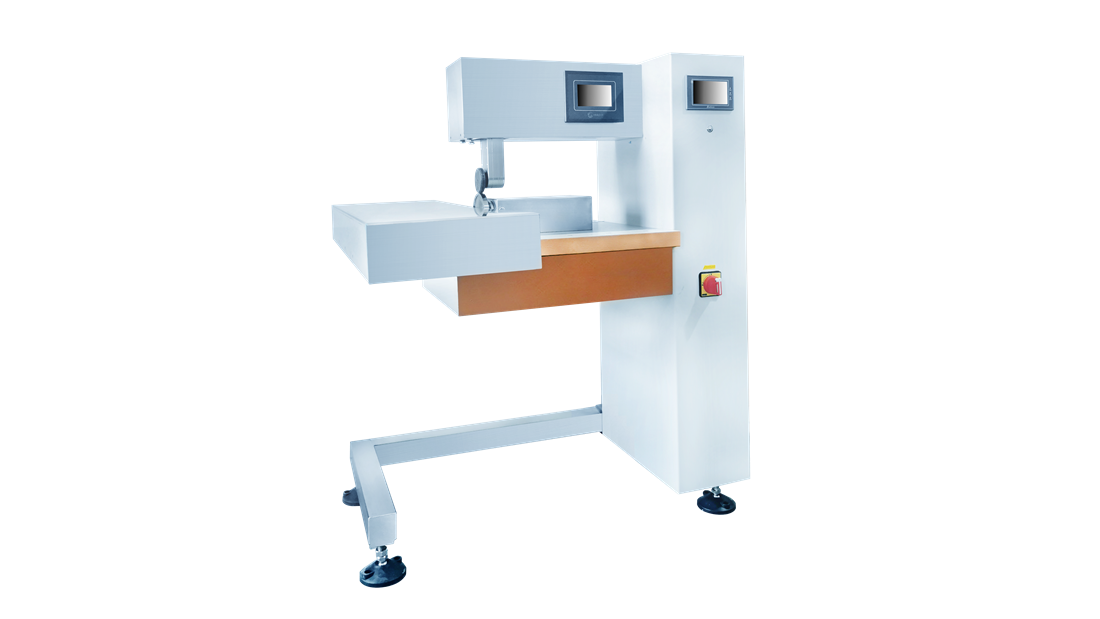
Equipped with an intelligent, low-temperature, constant-control system, the equipment features parameters specifically calibrated for heat-sensitive fibers like acetate and Tencel. The fusion process is performed gently at low temperatures, ensuring the fabric does not scorch, yellow, char, or become brittle. This protects the delicate satin finish, preventing abrasions, loss of sheen, color variations, or dulling, and faithfully maintains the fabric’s original, high-end, “quiet luxury” aesthetic. The system also incorporates a flexible, adaptive precision-pressing mechanism that applies uniform, gentle pressure—perfectly suited to the smooth, slippery nature of satin. It ensures stable fabric feeding without shifting, stretching, or leaving indentations. The resulting seams are flat, seamless, and soft, with no rigid ridges or protrusions; this preserves the fluid silhouette of the garment, ensuring clean, sophisticated lines and a comfortable, “imperceptible” feel against the skin. The fused seams are compact, robust, and exhibit uniform tensile strength. They remain intact—without fraying, unraveling, or deforming—even after repeated washing and vigorous handling, offering a level of stability and durability that far surpasses traditional needle-and-thread stitching.
In the mass production of high-end fabrics, SEWSONIC ultrasonic sewing equipment empowers garment manufacturers to enhance quality, reduce costs, and boost efficiency. By eliminating the need for needles, threads, and frequent machine recalibration, the equipment fundamentally prevents common issues such as skipped stitches, thread breakage, fabric snagging, surface damage, and material distortion. It streamlines production workflows and supports automated, multi-machine operation by a single technician, leading to a significant increase in production capacity. The process ensures a finish entirely free of needle holes, loose threads, or surface imperfections; the resulting garments feature a consistent, lustrous sheen, a smooth, fluid drape, and a premium, refined texture—drastically reducing waste and loss when working with high-value Tencel-cotton-acetate satin fabrics. The equipment is compatible with Tencel-cotton-acetate satin of various weights and colors, supporting a wide range of techniques—including edge sealing, joining, seamless bonding, and precision piping—making it the ideal solution for the standardized, large-scale production of high-end womenswear, evening gowns, traditional-style (Guofeng) apparel, and luxury loungewear.
The key to processing high-end Tencel-cotton-acetate satin lies in preserving its luster, maintaining the integrity of the satin surface, ensuring a fluid drape, and achieving a flawless finish. SEWSONIC ultrasonic sewing equipment is specifically engineered to address the challenges of working with acetate satin. It protects the fabric’s surface without leaving marks, preserves its soft, radiant sheen, ensures durable, wash-resistant seams, and enables high-efficiency mass production. By overcoming technical bottlenecks, it resolves the persistent issues associated with traditional sewing—such as high defect rates, material loss, and the need for frequent rework—thereby significantly increasing the value and market competitiveness of the finished garments. This allows manufacturers to confidently secure high-quality orders for premium satin fabrics and produce exceptional, luxury-grade apparel.
If interested, please contact us directly via email at market2@cheersonic.com.