
Technology Characteristics Of Sewing Airbag
Technology Characteristics Of Sewing Airbag –cheersonic
In automotive safety systems, airbags are hailed as the “guardians of life” for drivers and passengers. When a vehicle encounters a collision, they can deploy at a millisecond speed to provide cushioning protection for the occupants inside. What is less known is that the protective performance of airbags largely depends on seemingly ordinary sewing techniques. Airbag sewing is by no means a simple shuttling of needles and threads. Instead, it is a complex technology that integrates materials science, mechanical engineering and precision manufacturing. Every needle and every thread bears the heavy responsibility of safeguarding lives.
Airbag sewing has extremely strict technical requirements. When the airbag deploses, the interior is instantly filled with high-temperature and high-pressure gas, and the expansion pressure can reach several hundred kilograms. This requires that the sewing thread must have extremely strong tensile strength and durability to withstand the huge tension when the airbag deploils. Meanwhile, the sewing accuracy must reach the micrometer level. Even a slight deviation may lead to fatal problems such as tearing and air leakage when the airbag deplores. For instance, if the needle spacing of the stitch is uneven, the local force on the airbag will be uneven, and it will be unable to deploy normally at the moment of collision, thus losing its protective function.
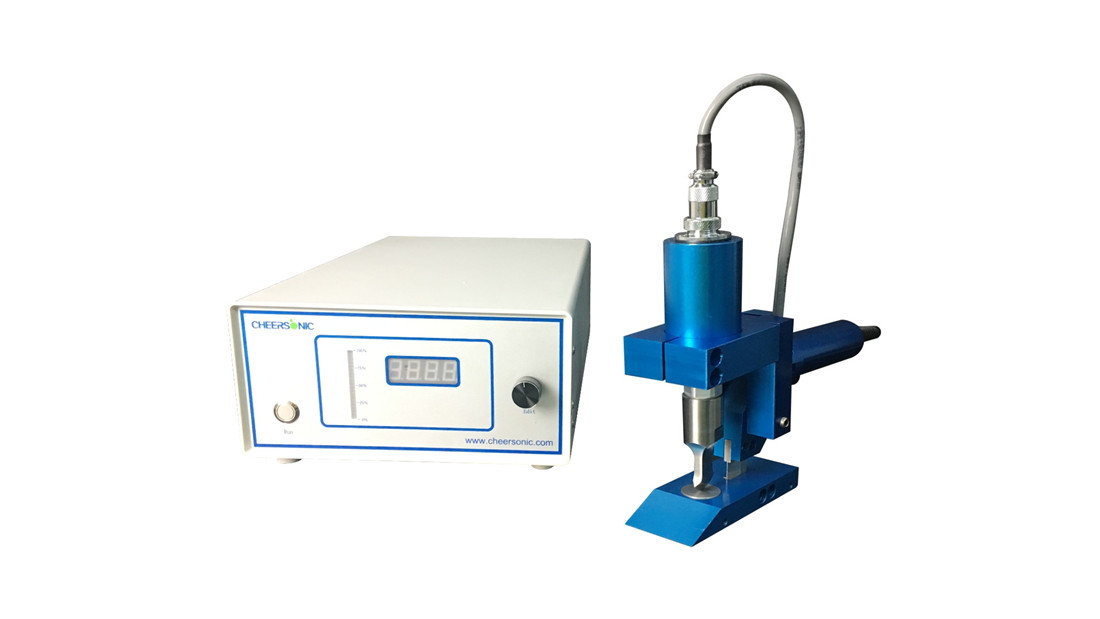
The commonly used sewing techniques for airbags also have their own characteristics. The lock-type stitch process has become the preferred choice for the seams of the main body of airbags due to its advantages of tight structure and high stability. It forms a firm knot in the middle of the fabric through the interweaving of the top line and bottom line, which can effectively resist the impact force when the airbag deploys. The stitching marks are often used for the edge treatment of air bags. They can simultaneously complete sewing and edge wrapping, prevent the fabric edges from coming apart, and have good elasticity to adapt to the deformation when the air bag expands. In addition, with the development of technology, new processes such as laser welding and ultrasonic welding have gradually been applied in the manufacturing of airbags. Through non-contact processing, they avoid the possible pinhole defects caused by traditional sewing, further enhancing the sealing performance and reliability of airbags.
Strict quality control is an indispensable link in airbag sewing. During the production process, each sewing procedure has to undergo multiple inspections. The visual inspection system uses high-precision cameras to monitor parameters such as the length, width and density of sewing stitches in real time. Once a deviation is detected, it will immediately sound an alarm. The tensile test simulates the force conditions when the airbag deploys, and conducts strength inspection on the sewn airbag components. Products that do not meet the standards will be directly eliminated. Meanwhile, to ensure product consistency, the production workshop will also conduct regular environmental monitoring and strictly control conditions such as temperature and humidity, as these factors can also affect the quality of sewing.
Airbag sewing, as a key technology in the field of automotive safety, is constantly innovating and developing along with technological progress. In the future, with the application of intelligent materials and intelligent manufacturing technologies, airbag sewing will become more intelligent and automated, and continue to play an important role in ensuring the safety of drivers and passengers.