
Ultrasonic Sewing for Pure Linen Two-Tone Yarn-Dyed Fabric
Ultrasonic Sewing for Pure Linen Two-Tone Yarn-Dyed Fabric
This pure linen two-tone yarn-dyed fabric is a premium, sought-after material for high-end artistic apparel, “Guofeng” women’s wear, and affordable luxury home décor. Woven from 100% pure linen fibers using a precision yarn-dyeing process, it differs from standard piece-dyed fabrics; the interlacing of warp and weft yarns in contrasting colors creates a unique, layered texture with a sophisticated palette and distinct, three-dimensional patterns. Pure linen fibers offer inherent benefits such as breathability, moisture-wicking, antibacterial and odor-resistant properties, and UV protection. The fabric surface features a rustic, natural texture and a refined matte finish—avoiding the cheap, synthetic sheen found in chemical fiber fabrics—ensuring a cool, dry, and non-clingy feel in summer. The two-tone yarn-dyeing technique ensures clear color layering and uniform, precise patterns, while offering superior color fastness compared to printed fabrics; it resists color bleeding and fading during washing, delivering a vintage, artistic aesthetic that is both minimalist and elegant. Thanks to its natural composition, dimensional yarn-dyed patterns, and excellent breathability, this fabric is widely used in high-end linen shirts, yarn-dyed dresses, *Hanfu* (traditional Chinese clothing), wide-leg trousers, home curtains, and artistic soft furnishings. However, the inherent rigidity and brittleness of pure linen fibers, combined with the delicate nature of the precision yarn-dyed patterns, pose a significant challenge for mass production; traditional needle-and-thread sewing often damages the two-tone pattern and the fabric’s texture.
Processing this pure linen two-tone yarn-dyed fabric with traditional sewing machines frequently leads to issues such as pattern damage, color inconsistencies, and product spoilage, making it impossible to meet the quality standards required for high-end fabric shipments. The core value of pure linen two-tone yarn-dyed fabric lies in its three-dimensional, interwoven texture and clean, uniform color layering. High-speed penetration by traditional sewing needles leaves dense puncture marks on the precision-woven surface, severing the yarn structure and disrupting the pattern; this turns the originally orderly two-tone weave into a mottled, chaotic mess, completely destroying the fabric’s distinctive depth and premium feel. Puncture marks are particularly conspicuous in fabrics featuring light-colored or high-contrast color blocking, where the stark difference between light and dark tones makes the damage irreparable, often rendering the finished product defective or scrap. Furthermore, pure linen fibers are rigid and brittle; the pulling and friction from stitching easily cause yarn breakage, surface fuzzing, and localized whitening. This results in dull transitions, uneven color tones, and visual flaws like color bleeding or blurred lines, severely diminishing the garment’s refined quality.
Additionally, pure linen two-tone yarn-dyed fabric is crisp but lacks plasticity and toughness. Traditional sewing processes—characterized by uneven fabric feeding and unstable presser foot tension—frequently lead to issues such as fabric stretching and misalignment, crooked stitching, seam buckling, and unsightly pleating. Because linen holds its shape rigidly, any distortion of the weave or misalignment of the colors cannot be corrected by ironing, leading to extremely high waste rates in mass production. The fabric’s intricate weave leaves fibers loose at cut edges; traditional stitching often results in fraying, rough edges, and curling. Subsequent washing, handling, or ironing frequently causes seam bursting, unraveling, and thread loss, leading to persistently high rates of post-sale returns and repairs. Finally, traditional sewing involves cumbersome procedures; frequent machine adjustments and thread changes can damage the delicate weave, while excessive loose threads and the need for manual trimming create a high risk of secondary surface scratches. These inefficiencies—long processing times, low output, and high waste—are entirely incompatible with the precision production requirements of high-end pure linen two-tone yarn-dyed fabrics. Addressing the sewing challenges associated with pure linen two-tone yarn-dyed fabrics, SEWSONIC has developed a specialized ultrasonic process that revolutionizes traditional needle-and-thread methods. By employing high-frequency ultrasonic molecular fusion technology, the equipment achieves precision processing that is needle-free, thread-free, hole-free, and seamless. High-frequency vibrations generate instantaneous frictional heat to fuse and cure the linen fibers at the seam, bonding them through their own structural properties without the need for needles, threads, or adhesives. This fundamentally eliminates common industry issues such as needle-hole damage, pattern misalignment, dulling or discoloration, fabric wrinkling, and edge unraveling after washing, while fully preserving the natural breathability and textured depth of the two-tone yarn-dyed linen.
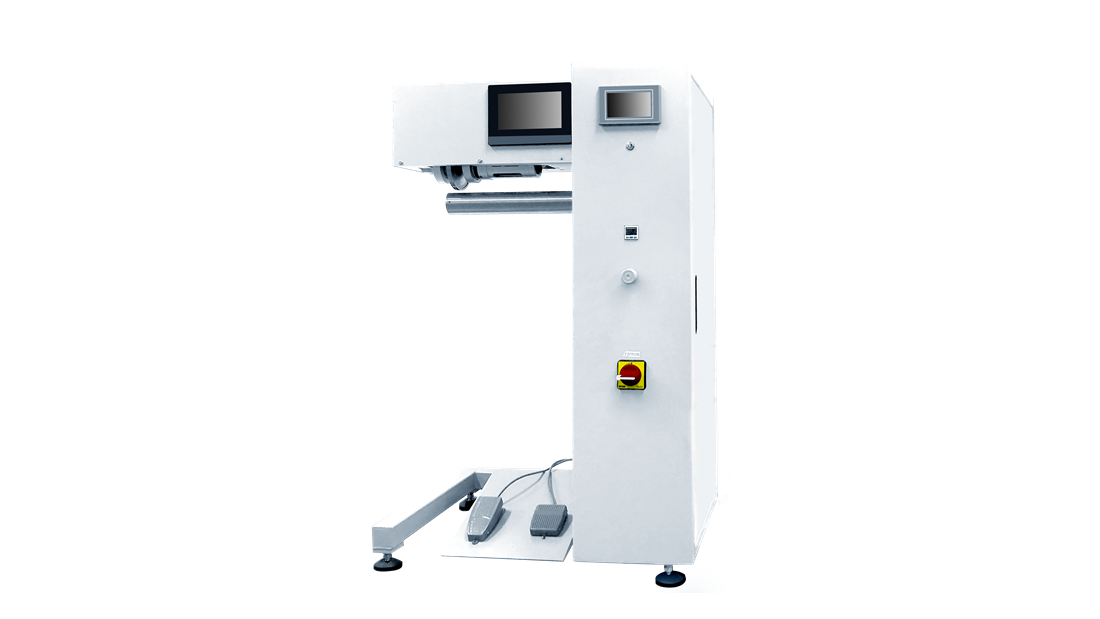
Equipped with an intelligent low-temperature constant control system, the machine features fusion parameters specifically calibrated for the heat-sensitive fibers and intricate structures of pure linen. Operating gently at low temperatures, it prevents scorching, yellowing, fiber charring, and color bleeding, ensuring the integrity of the two-tone yarn texture and color uniformity. It eliminates defects like blurred patterns, localized discoloration, and dullness, thereby maximizing the fabric’s premium, high-quality aesthetic. A flexible, adaptive pressure mechanism accommodates the crisp, firm nature of pure linen; it ensures smooth fabric feeding without stretching or flattening the yarn-dyed pattern, resulting in a seam that is flat, seamless, soft, and free of rigid ridges—all without compromising breathability or the fabric’s structural drape. The fused seam is tight, secure, and evenly stressed, firmly locking in edge fibers to withstand repeated washing and handling without unraveling, fraying, or deforming, offering stability far superior to traditional stitching.
In mass production, SEWSONIC ultrasonic sewing equipment empowers manufacturers to enhance quality while reducing costs and increasing efficiency. Eliminating the need for threading, bobbin changes, or frequent parameter adjustments, the system fundamentally prevents issues such as skipped stitches, thread breakage, pattern distortion, and misalignment. It significantly simplifies production workflows and supports automated, multi-machine operations managed by a single operator, leading to a substantial increase in production capacity. The process ensures zero needle holes, loose threads, texture damage, or color bleeding. The finished product features distinct dual-color layering, a clean and premium fabric surface, and precise structural integrity, significantly reducing waste and losses associated with expensive yarn-dyed pure linen fabrics. The equipment accommodates various dual-color combinations and fabric weights, supporting processes such as edge finishing, joining, seamless bonding, and precision piping. It is perfectly suited for the standardized, high-volume production of high-end “Guofeng” (Chinese-style) apparel, artistic women’s fashion, and affordable luxury home textiles.
Precision processing of high-end dual-color yarn-dyed pure linen hinges on preserving the weave pattern and dual-color definition, protecting the fabric texture, and maintaining structural stability. SEWSONIC ultrasonic sewing equipment specializes in overcoming the challenges of sewing yarn-dyed pure linen. It delivers seamless, color-preserving results while maintaining texture integrity and wash durability, enabling efficient mass production. This empowers high-end apparel and home textile manufacturers to break through processing bottlenecks and resolve pain points associated with traditional methods—such as high defect rates, frequent rework, and material loss. It effectively enhances product value and market competitiveness, making it easy to fulfill premium orders for mid-to-high-end yarn-dyed pure linen fabrics.
If interested, please contact us directly via email: market2@cheersonic.com